Childhood home of one of England’s greatest composers, Ralph Vaughan Williams, boasting other famous historic connections
Ralph Vaughan Williams, the famous British composer, spent his childhood years living at Leith Hill Place, and today the house carries on that legacy with a focus on creativity and inspiration. Visit to learn more about Vaughan Williams’ life and work, explore the various contemporary art installations throughout the home, discover the popular second hand bookshop in the Library, relax with refreshments from the Kitchen, and enjoy the beautiful views from the Lawn.
Originally built as a home in the early 17th-century, in 1847 Leith Hill Place was purchased by Josiah Wedgwood III (of the famous Wedgwood pottery family) whose wife Caroline Darwin was the sister of Charles Darwin. Often visiting the property himself, Darwin conducted his famous earthworm experiments in and around Leith Hill Place, evidence of which remains with his ‘Worm Stone’ still visible in the grounds of the estate.

Well-behaved dogs on short leads are welcome at Leith Hill Place
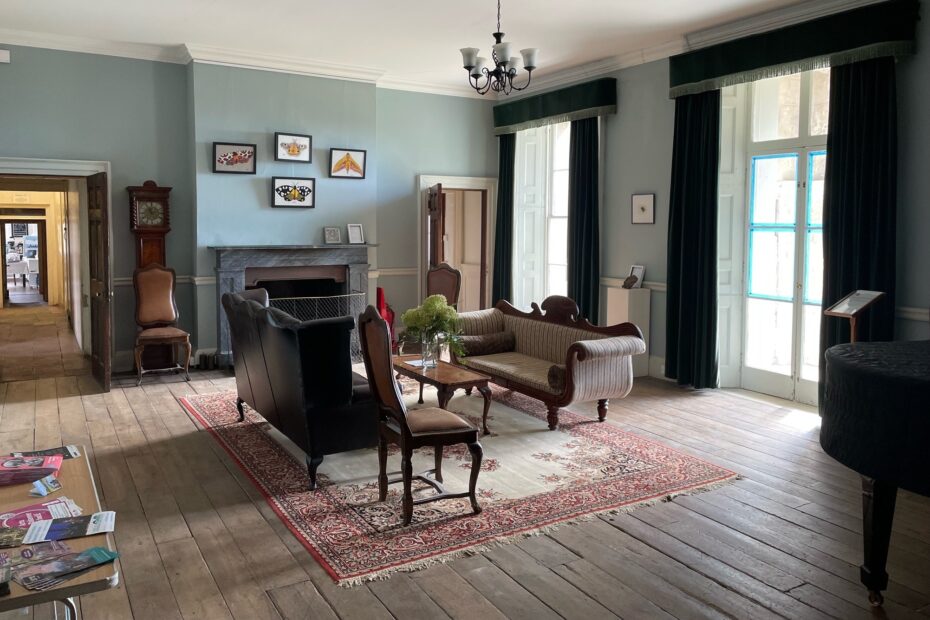
Ralph Vaughan Williams’ piano, upon which he composed many of his famous works, is on display at Leith Hill Place, along with other artefacts related to his life and work. The property has a relaxed feel and benefits from rolling views of the surrounding countryside.
What makes it special
Carrying on the creativity of the former famed families associated with the property, Leith Hill Place embraces its artistic heritage today with a changing programme of events throughout the year – whether related to the natural world as inspired by Darwin, contemporary art, literature or music – there is always something new to discover and fun for all the family at Leith Hill Place.
Explore like a local…
Inspired to discover more about Ralph Vaughan Williams’ impact on classical music? Visit Dorking’s theatre and arts venue, Dorking Halls, where Vaughan Williams established the Leith Hill Music Festival that still runs to this day. His association with the venue is marked by a statue of the great man himself outside the front of the theatre.