Mole Valley has a long and rich heritage linked to literature. Whether you’re a poetry aficionado, a firm fan of detective fiction, head-over-heels for a classic novel, or quite simply a self-confessed book lover, Mole Valley has a wealth of literary locations to discover and explore.
Uncover historic pubs visited by great novelists, charming villages that housed classic writers, sublime countryside locations that inspired epic poems and much, much more in Mole Valley. Read on to plan your literary trail…
The King’s Arms, Dorking
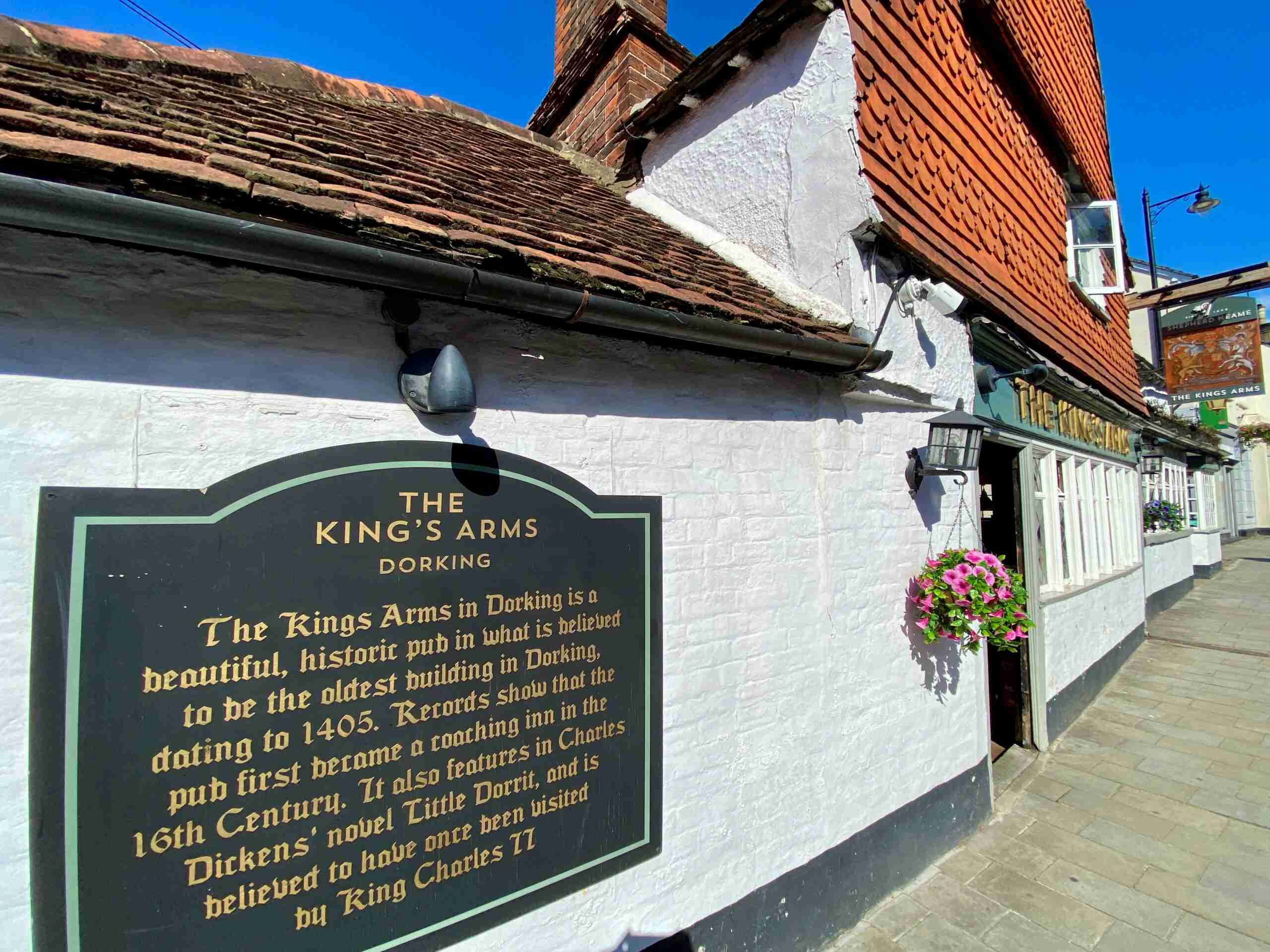
Dating back to 1405, The King’s Arms in Dorking is said to be the town’s oldest building. It is here that Charles Dickens is said to have taken inspiration for Little Dorrit, featuring the coaching inn in the novel. Today, much of the historic character remains, with original oak-beamed low ceilings, leaden windows and snug corners.
The White Horse, Dorking
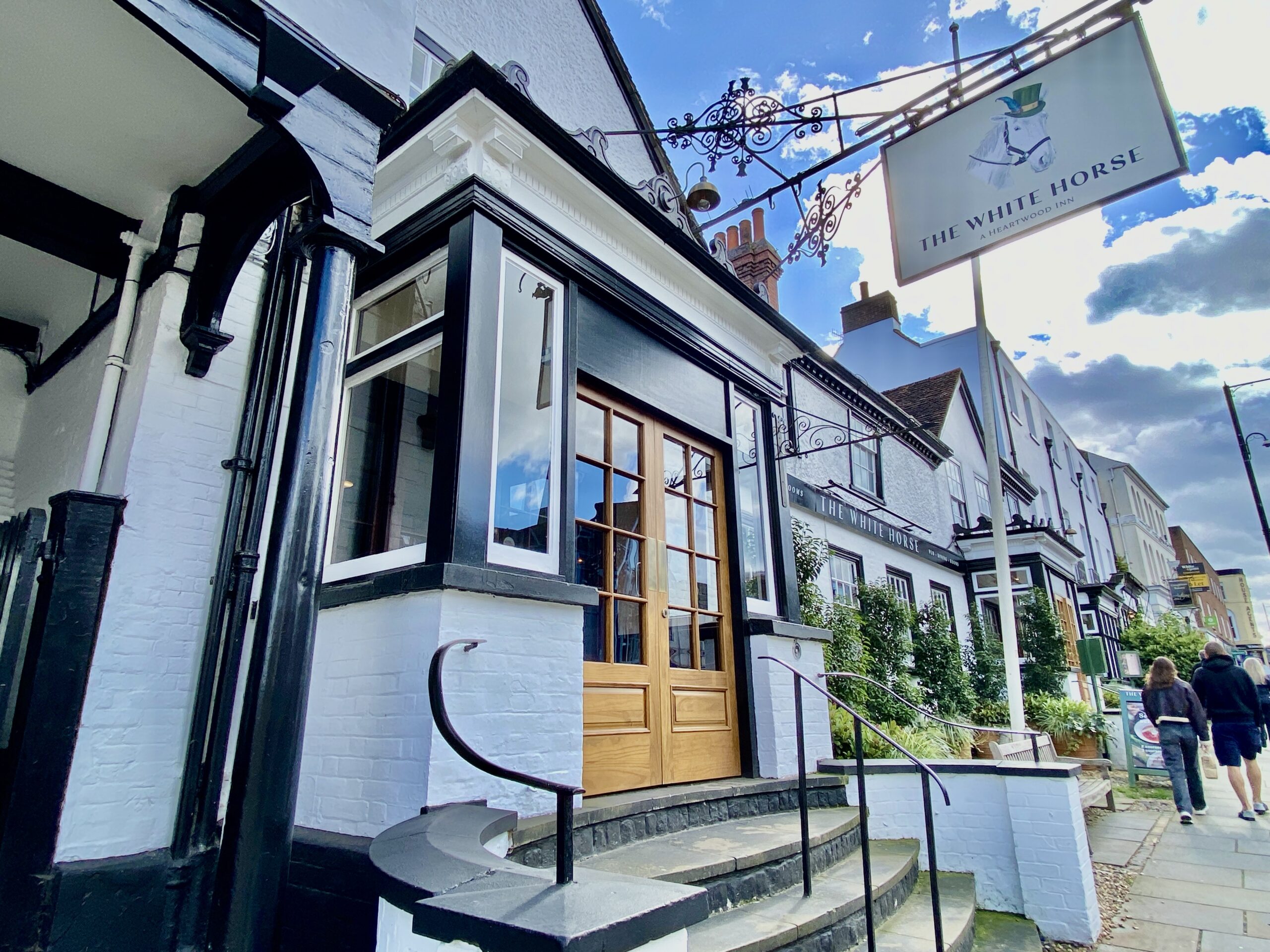
Edged with ancient cobblestones and featuring a historic coaching entranceway, large fireplaces and quirkily wonky floorboards, The White Horse is another of Dorking’s oldest buildings. One of England’s most storied coaching inns, today a popular hotel and restaurant, Charles Dickens stayed at The White Horse while writing ‘The Pickwick Papers’.
Old King’s Head Court, Dorking
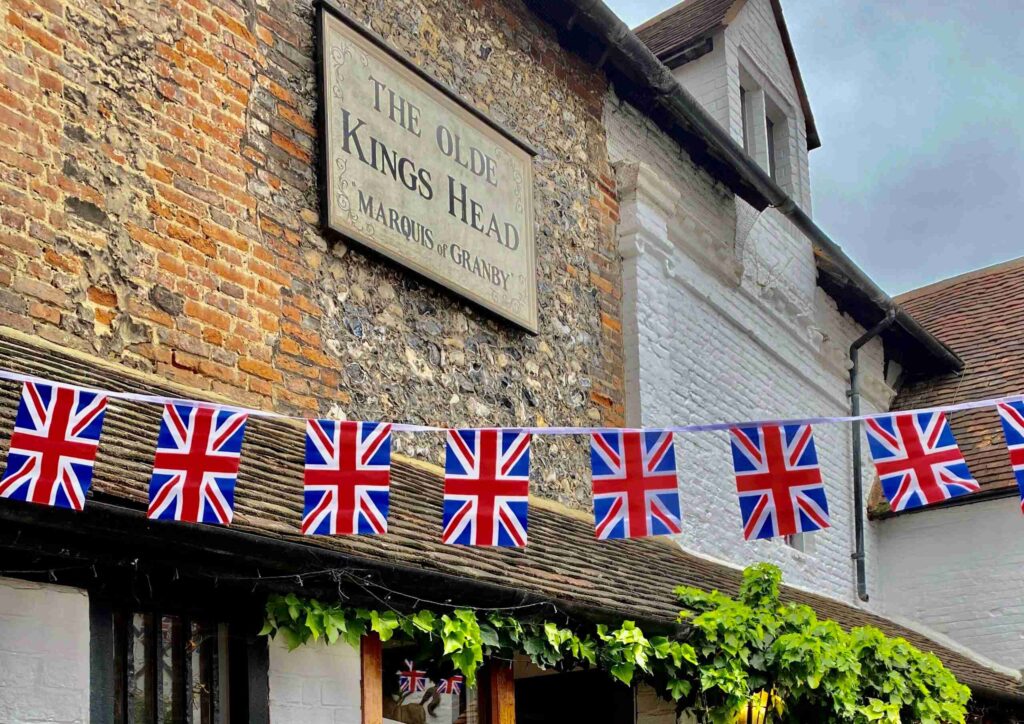
Yet another of Dorking’s literary locations linked to Charles Dickens, stepping through the historic coaching archway into Old King’s Head Court is like stepping back in time, emerging directly into a Dickens novel. Once the courtyard of the Kings Head inn, originally known as the Lower Chequers, the inn was the inspiration for the Marquis of Granby in Dickens’ ‘The Pickwick Papers’. Tucked neatly off of the High Street, much remains of a fascinating past in this charmingly tranquil spot.
Box Hill
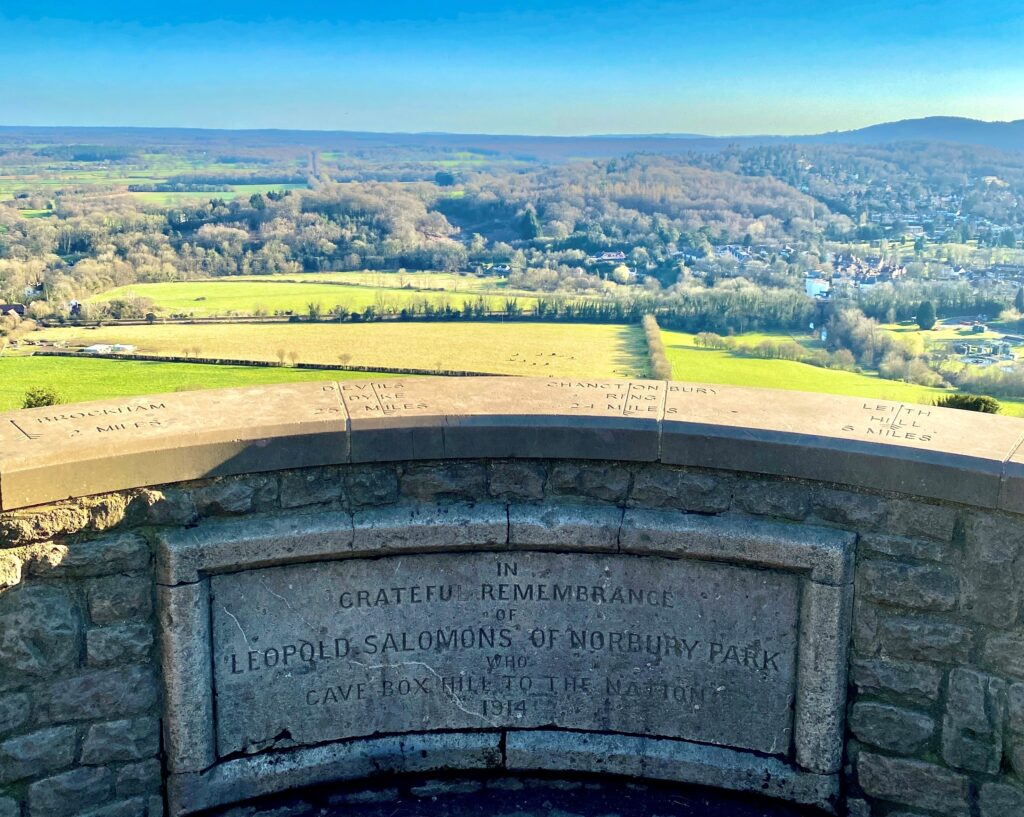
Famous as the setting for the iconic picnic scene in Jane Austen’s novel ‘Emma’, when heroine Emma Woodhouse visits Box Hill – with Austen exclaiming that “everybody had a burst of admiration on first arriving” – the Surrey hilltop has welcomed day visitors for many centuries, drawn by the scenic views and beautiful wooded landscapes. Yet this is not the only famed literary link to Box Hill. J.M. Barrie (author of ‘Peter Pan’) frequently visited his friend and fellow author, George Meredith, at his Flint Cottage home on the hill. The breathtaking open hillside on which he waited before first introducing himself to Meredith since became known as ‘Barrie’s Bank’ in his honour.
Westhumble
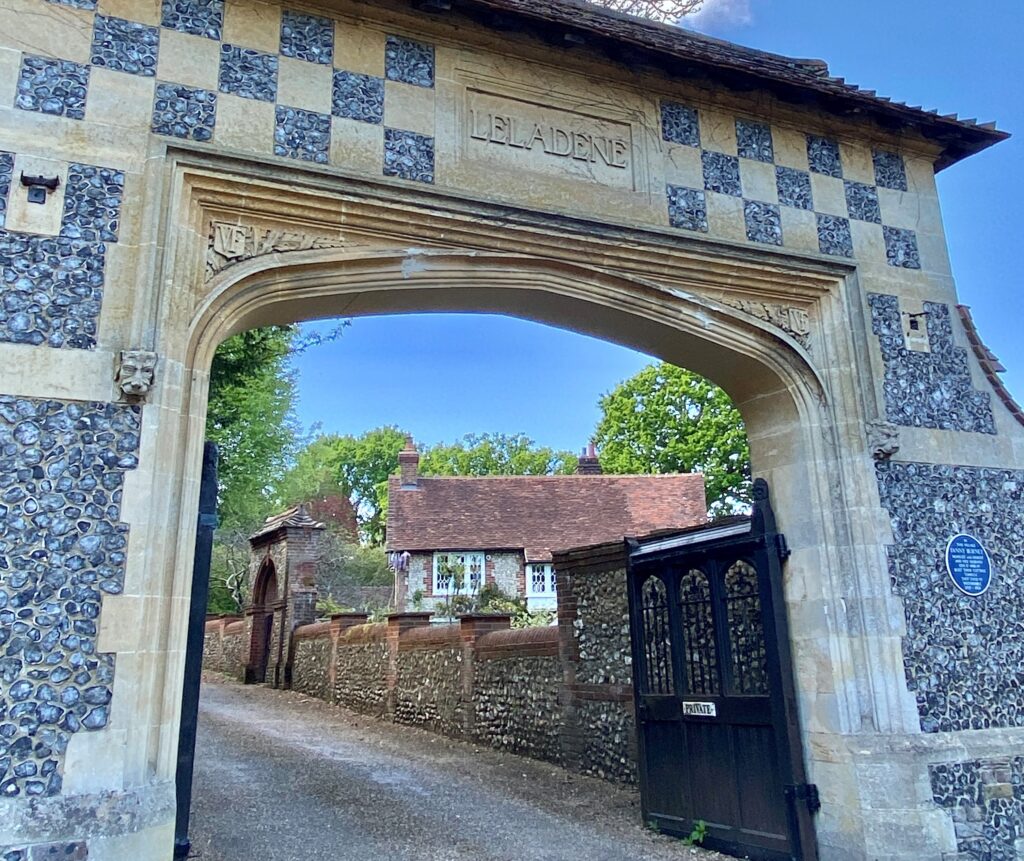
Satirical novelist, diarist and playwright, Fanny Burney, lived in the pretty village of Westhumble with her husband, General Alexandre d’Arblay between 1797 and 1801. One of the leading authors of her time, Burney’s writings were enjoyed by Jane Austen and her work inspired William Makepeace Thackeray when penning his ‘Vanity Fair’. Whilst their home Camilla Cottage no longer exists, the entrance to the drive on which they lived, Camilla Drive, has since been marked by a blue plaque.
Box Hill Burford Bridge Hotel
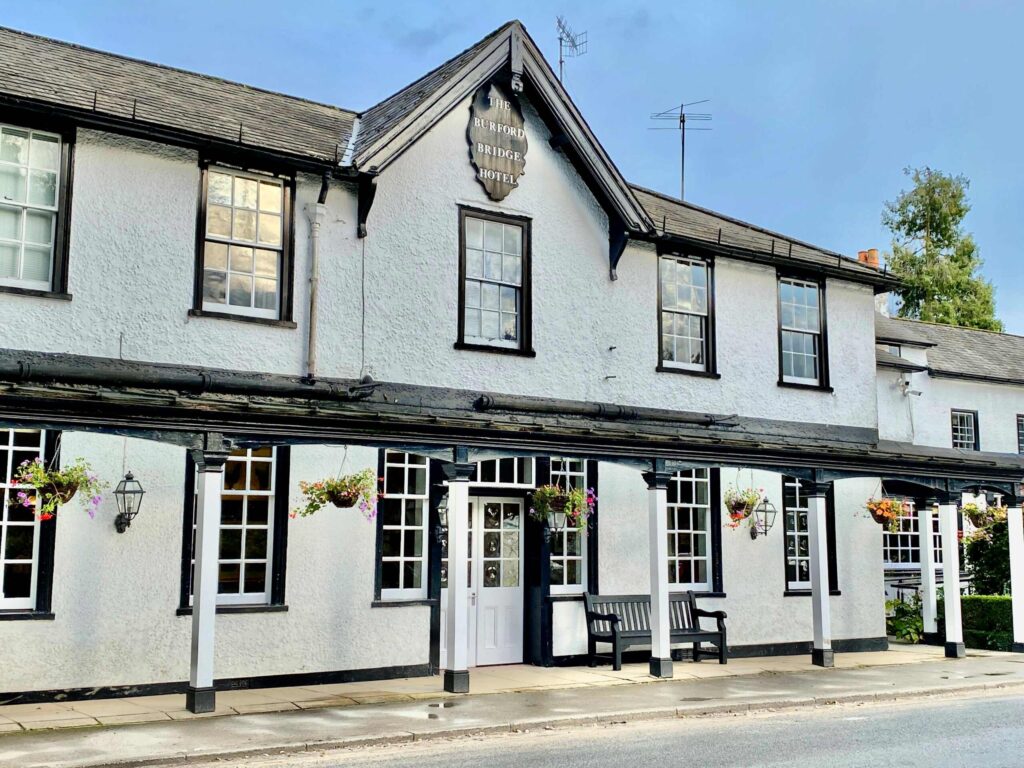
Nestled into the foot of Box Hill for more than 760 years, the Box Hill Burford Bridge Hotel has played host to a wealth of well-known visitors including Lord Nelson prior to his setting off for the Battle of Trafalgar. The hotel’s strong literary associations extend to hosting poet William Wordsworth, author of ‘Treasure Island’ and ‘Dr Jekyll and Mr Hyde’, Robert Louis Stevenson, and John Keats who completed his epic poem ‘Endymion’ at the location in 1818.
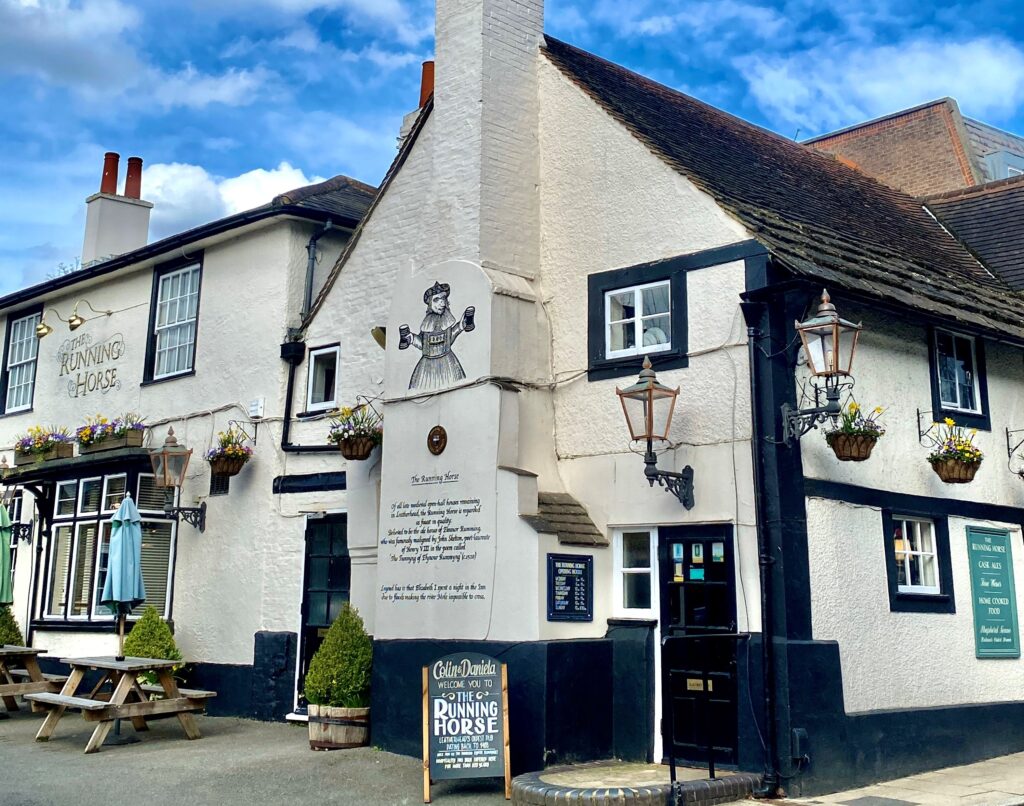
The Running Horse, Leatherhead
Situated close to the picturesque riverside in central Leatherhead, The Running Horse boasts more than 600 years of history. One of the town’s oldest buildings, built in 1403, the inn was previously known as Rummyings House and run by Elynour Rummyng. Famously criticised by Henry VIII’s Poet Laureate, John Selton, lines from his poem ‘The Tunnying of Elynour Rummying’ can been seen on the walls of the pub today.
Abinger Hammer
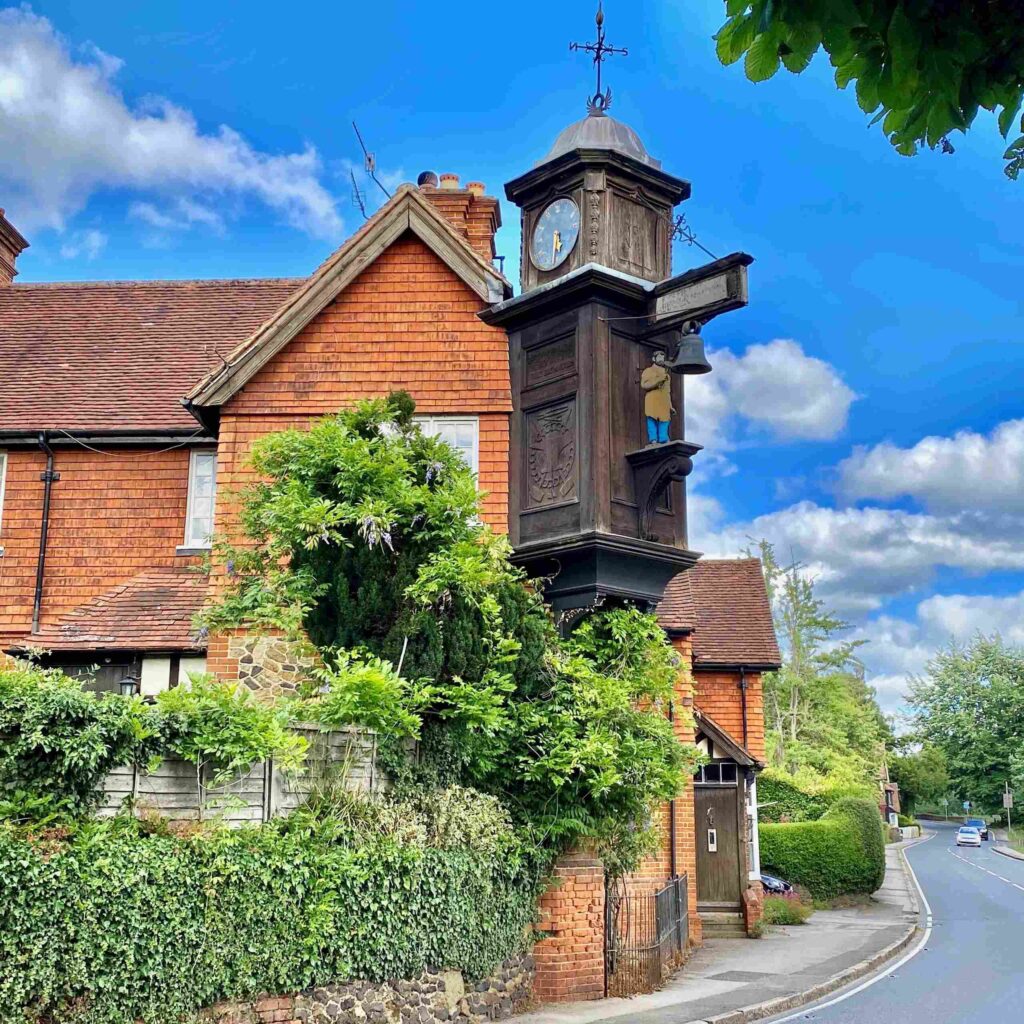
Novelist E.M. Forster – known for penning ‘A Room with a View’ and ‘A Passage to India’ – made the delightful village of Abinger Hammer home, after moving there with his mother in 1924. Known by his middle name Morgan, Forster lived in West Hackhurst and was endlessly inspired by his love for the Surrey Hills, setting scenes from his novels in both Hombury St Mary and Coldharbour.
St Michael’s and All Angels Church, Mickleham
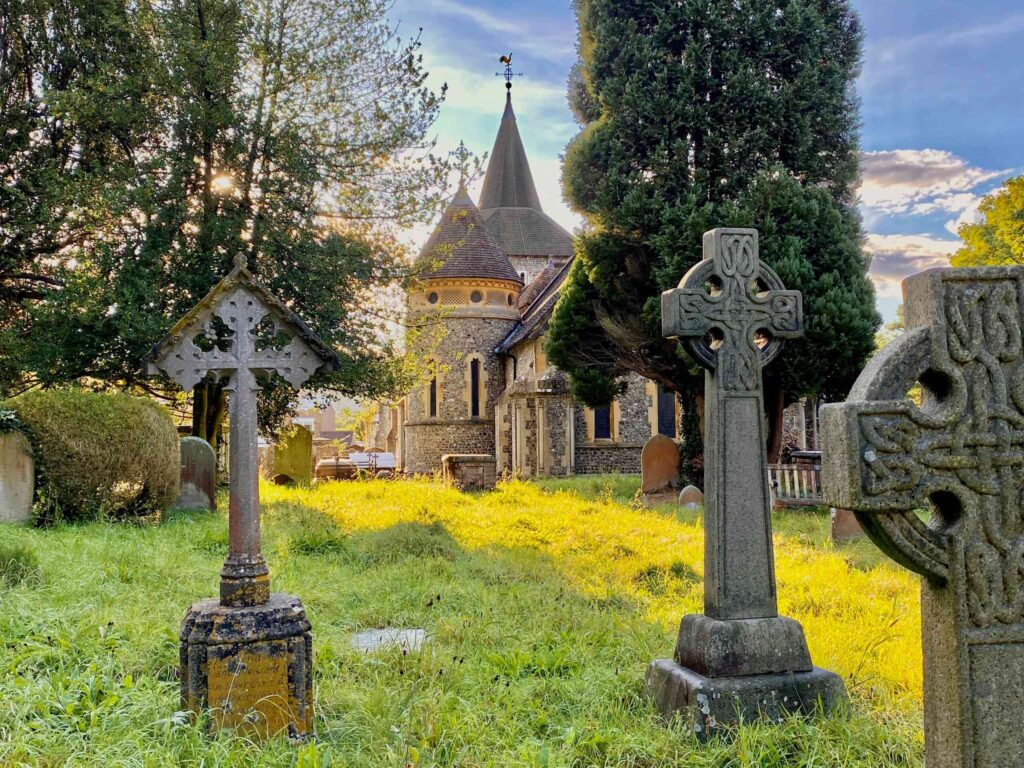
Writer of crime fiction and vintage detective novels, Alfred Alexander Gordon Clark – known by the pseudonym, Cyril Hare – was born in the Mole Valley village of Mickleham. A barrister and court judge by trade, he is best known for his novel ‘Tragedy at Law’, said by P.D. James to be the best detective novel set the world of law, and ‘An English Murder’. Clark died in 1958 in the village of Westhumble and is notably buried in the churchyard of Mickleham’s St Michael’s and All Angels Church.