Whether you’re visiting on a short break or are a local person looking to explore something new on your doorstep, Mole Valley is brimming with hidden treasures ready to be discovered. From historic mansions to secret caves, hidden ruins to ancient art, there are endless unique adventures to be had and unexpected tales to uncover. Read on for ideas and inspiration…
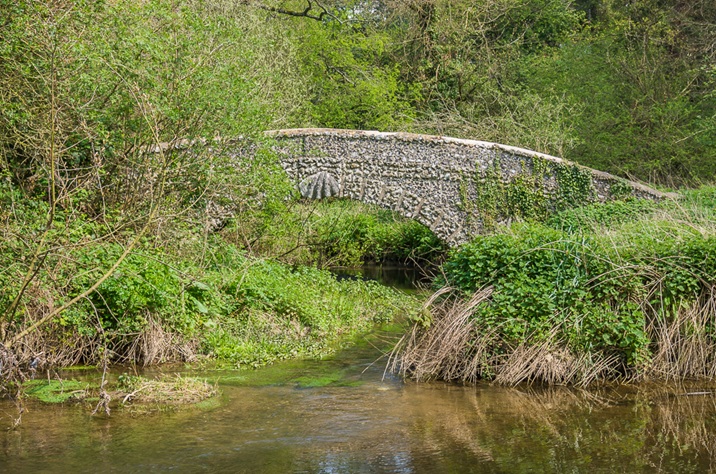
Shell Bridge, Leatherhead
The beautifully ornate Shell Bridge that reaches elegantly over the River Mole in Leatherhead is said to have been built in the late 18th-century. Originally constructed as an ornamental feature in the grounds of Thorncroft Manor, many claim it formed part of a landscape by the famous English garden architect, Lancelot “Capability” Brown. Linking two islands, the bridge was created using flint and features a large scallop shell as its central keystone. Though today on private land, visitors can glimpse the bridge while walking along the River Mole Local Nature Reserve before exploring Leatherhead town centre and its many cafes, pubs and restaurants.
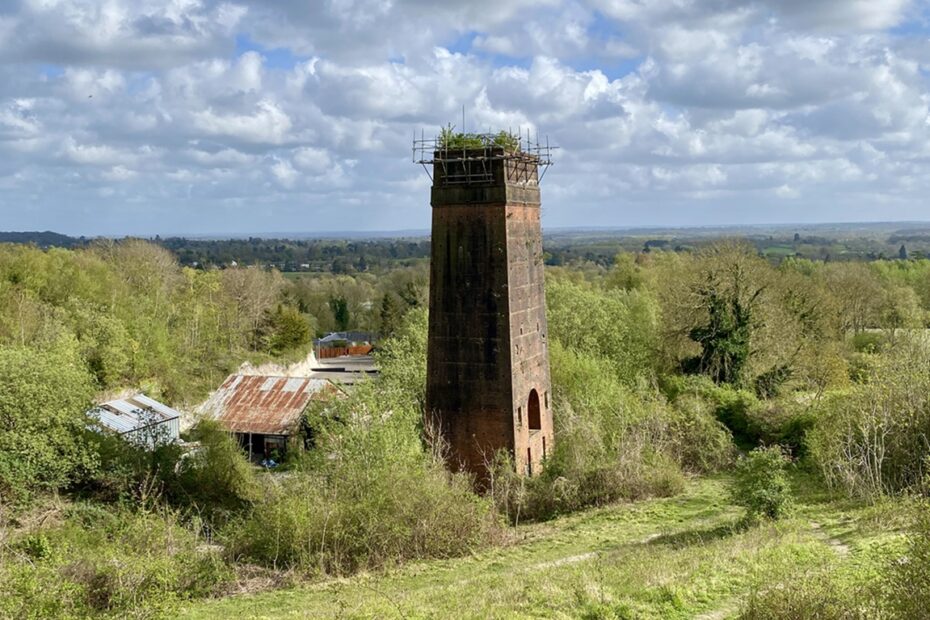
Betchworth Quarry and Lime Kilns, Betchworth
Accessible from The North Downs Way, Betchworth Quarry is a 67-acre nature reserve. Once a large working quarry, the site was used for hearthstone mining, brick making and lime burning during its operative years from the 1800’s until it closed in 1960. Today, it is a chalk grassland reserve managed by Surrey Wildlife Trust, with some of the striking Grade II listed lime kilns remaining as homes for the many different bat species that have taken up residence there. Abundant in wildflowers – including the horseshoe vetch – explore the reserve before walking further into the delightful village of Betchworth to enjoy refreshments at Betchworth Village Shop or The Red Lion & Cellar Room.

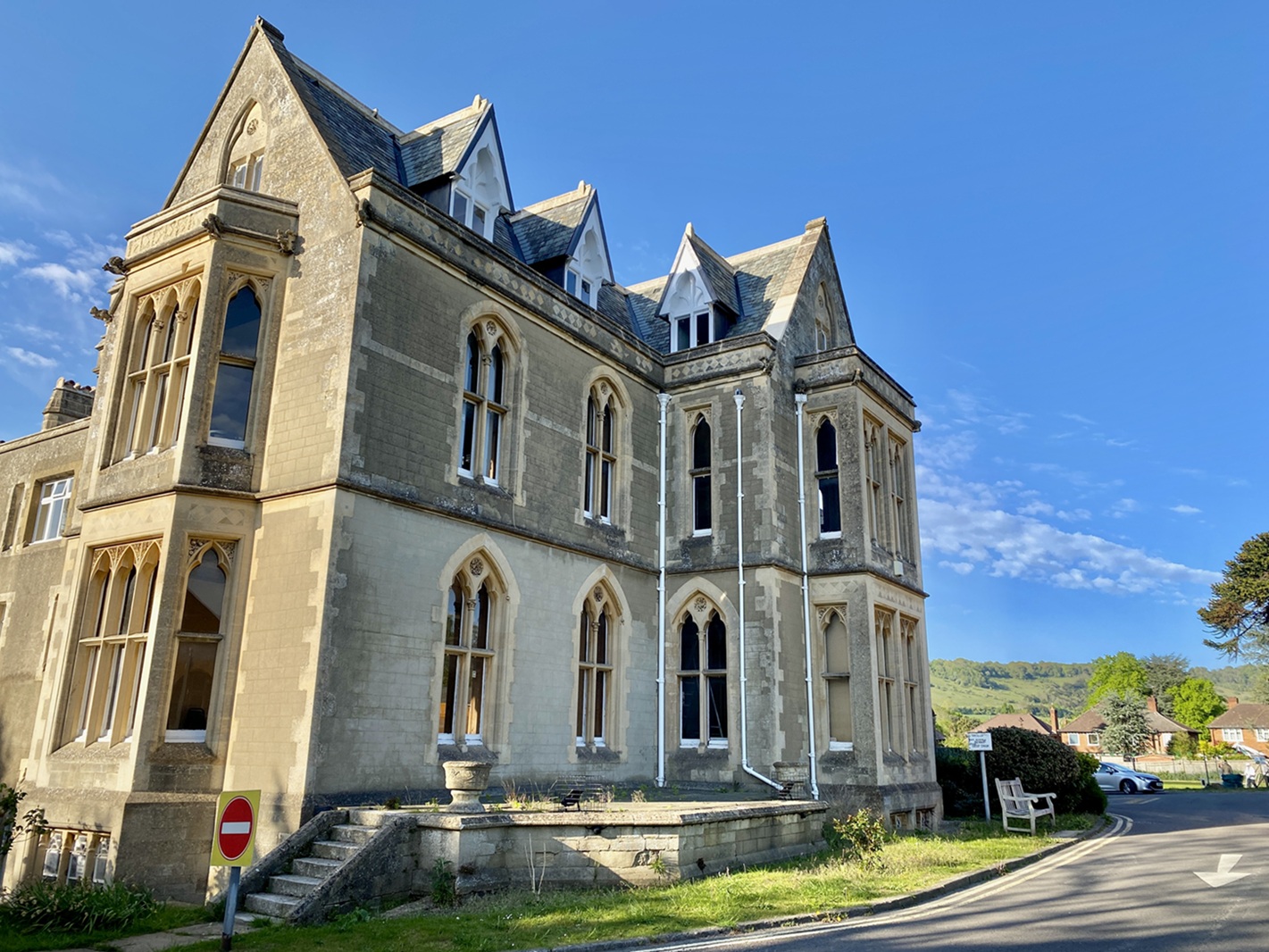
Pippbrook House, Dorking
Built between 1856 and 1858, Pippbrook House in Dorking was designed by the prestigious architect, Sir George Gilbert Scott, who also famously designed the Midland Grand Hotel at St Pancras Station and the Albert Memorial. Featuring ornate arched windows, painted ceilings, marble fireplaces and elaborately carved woodwork, the Victorian Gothic mansion was originally built as a private home. Today, the Grade II* listed building has been given a new life as a vibrant creative hub managed by the team at Dorking Halls, staging talks, live shows and film screenings alongside holding workshops, classes, rehearsals and more.
Abinger Hammer Clock, Abinger Hammer
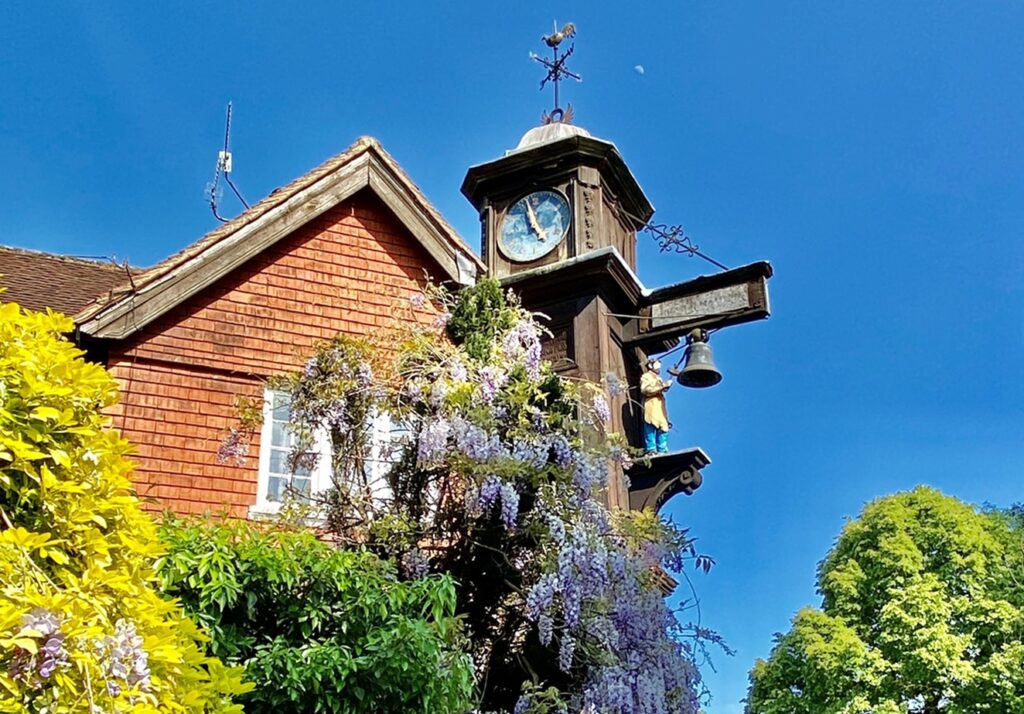
Striking a bell each hour on his anvil, ‘Jack the Blacksmith’ has stood over the quaint village of Abinger Hammer since the early 20th-century. The ornate clock marks an important time in the history of the village, when it was central to the region’s iron industry, using the waters of the River Tillingbourne to power a 16th-century mill which is said to have made guns used against the Spanish Armada in 1588. Uncover a link to this rich industrial past when visiting the clock and combine it with a trip to nearby Kingfisher Farm Shop or indulge in afternoon tea at the Abinger Tea Rooms.
Broadwood’s Folly, Box Hill
Situated on a quieter part of the popular Box Hill, the flint tower of Broadwood’s Folly was built by Thomas Broadwood, part of the famous piano manufacturing family (John Broadwood & Sons), sometime after 1814. Looking like something out of a fairytale, the circular tower once housed a spiral staircase and two internal floors, allowing for sensational views over the valley below where Broadwood’s home, Juniper Hall, still stands today. Although now a ruin, the folly remains a fascinating monument to discover on a country walk or as a romantic subject for keen photographers.

Westhumble Chapel, Westhumble
Set amongst picturesque rolling fields on the outskirts of the village of Westhumble, the ancient Westhumble Chapel is thought to have been built in the 12th or 13th century for villagers to use when flooding prevented them from reaching the parish church. Constructed of rounded flints and sandstone, it is thought that the chapel stopped being used as a place of worship around 1540 but may have still been used as a farm building. A 1937 archaeological survey discovered six skeletons, clay cooking pots and jugs from 1300 and a silver penny from the reign of Henry VIII at the site. Today just some of the ruined walls still stand, with the site managed by the National Trust, but it remains a beautiful place to discover, ideally combined with a visit to the nearby The Stepping Stones pub for drinks and food.

Wotton House Italian Gardens, Wotton
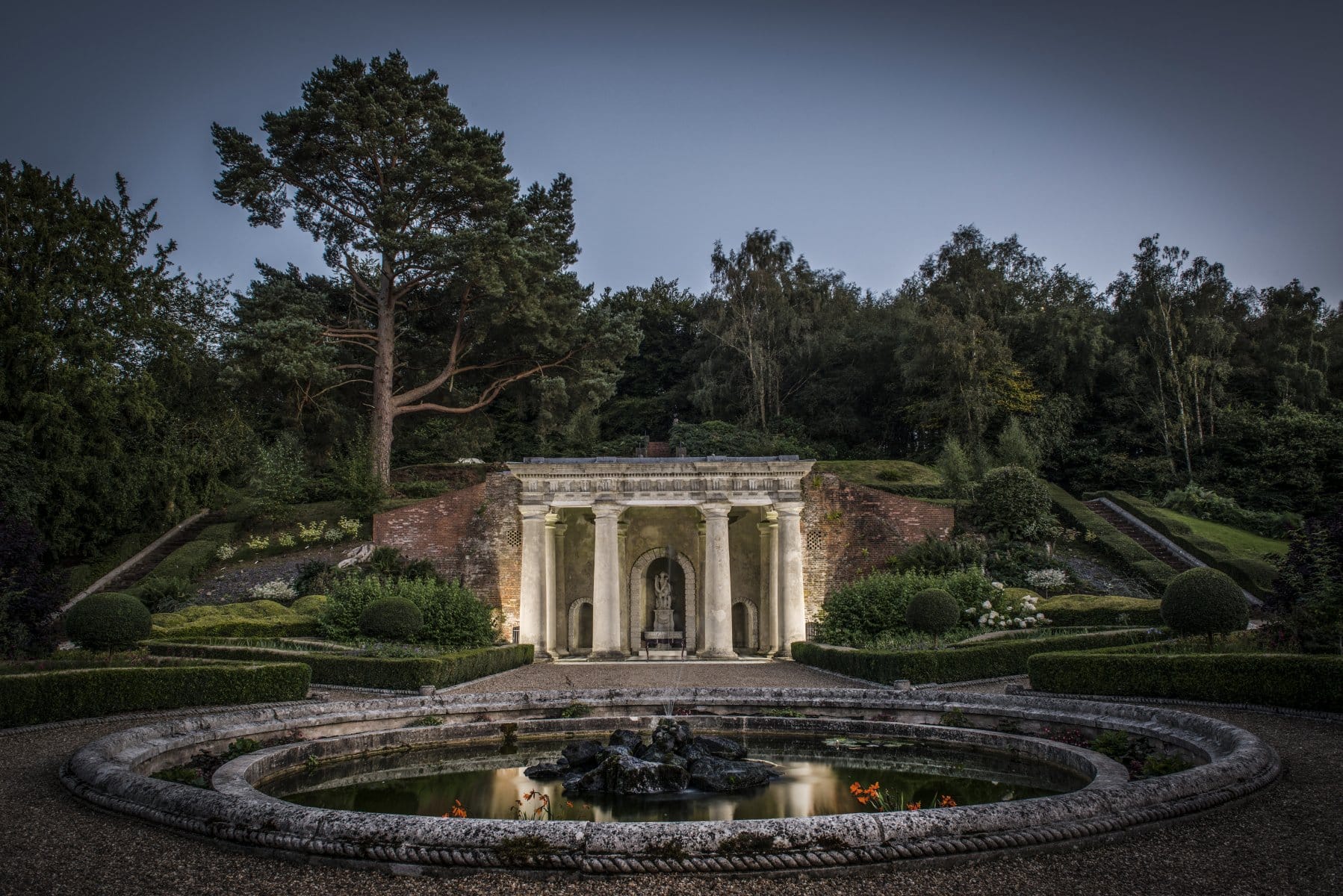
Said to be some of the finest Italianate gardens in England, the Italian Gardens at Wotton House were completed in 1652 to the wishes of owner John Evelyn, the renowned botanist whose immense love of nature and the power of plants shines through in every element. English in their eccentricity and Italian in their romance and intrigue, the gardens are Grade II listed, a rare commendation for a landscape. Featuring Roman temples, original mosaics, water features and more than 13-acres to explore, the gardens are today a real highlight of a stay at Wotton House, now a sumptuous country house hotel.
Betchworth Castle, Betchworth
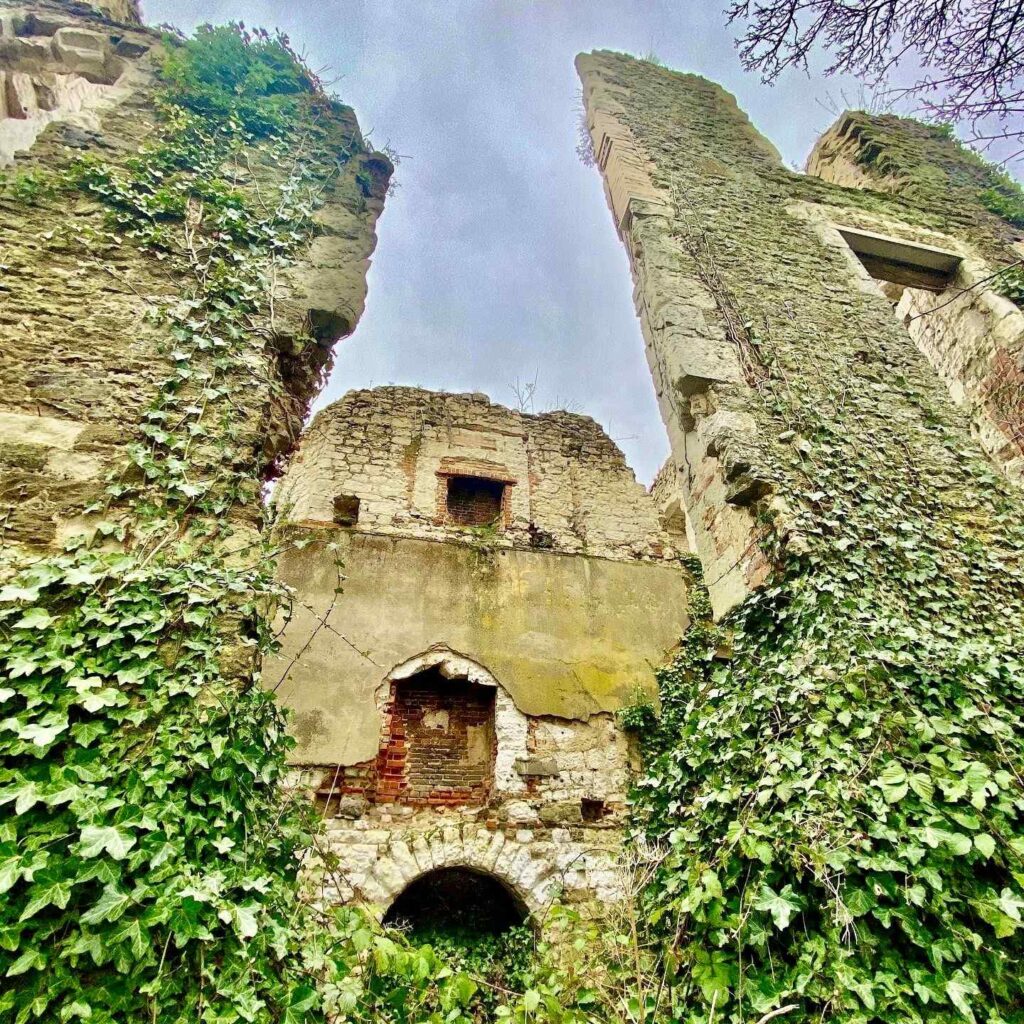
Tucked away between Dorking and Brockham, the ruins of Betchworth Castle provide a fascinating place to visit for all ages. Dating back to the Elizabethan era and originally built as a fortress, Betchworth Castle became a family home before being purchased by Henry Thomas Hope of the Deepdene Estate in 1834, who transformed it into a romantic ruin. Purchased by a local man for £1 in 2008 with plans of conserving the castle, it is said to be haunted by a black dog that prowls the ruins at night. Those keen to learn more about the castle’s story, can book onto a guided tour with Dorking Museum and Heritage Centre, which allows visitors to step behind the fencing and walk amongst the ruins.
Dorking Caves, Dorking
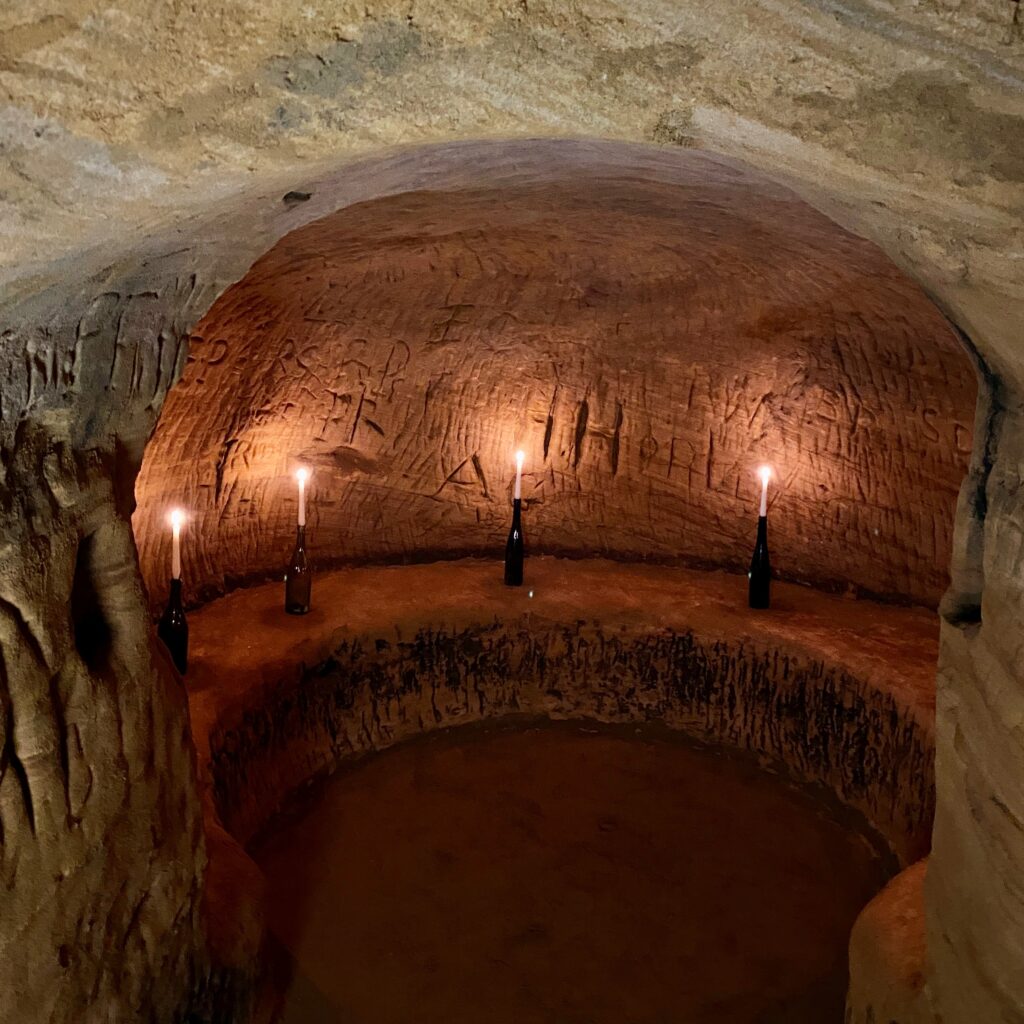
Hidden beneath the streets of Dorking lie a mysterious cave network, once owned by local brewers, vintners and grocers and used for wine storage during the 19th-century. With the oldest parts dating back to medieval times, the manmade hand-dug Dorking Caves are also home to many secrets and historic tales, much concerning ‘the Mystery Chamber’, a curious semi-circular room with a bench carved out of the stone in the deepest part of the caves. Was it a Priest’s hole, for secretive religious gatherings, used by smugglers, or created as a folly by a rich Dorking resident? Discover more by booking a special tour with Dorking Museum and Heritage Centre, whose expert guides share fascinating insight into the uses and theories related to the South Street Caves.
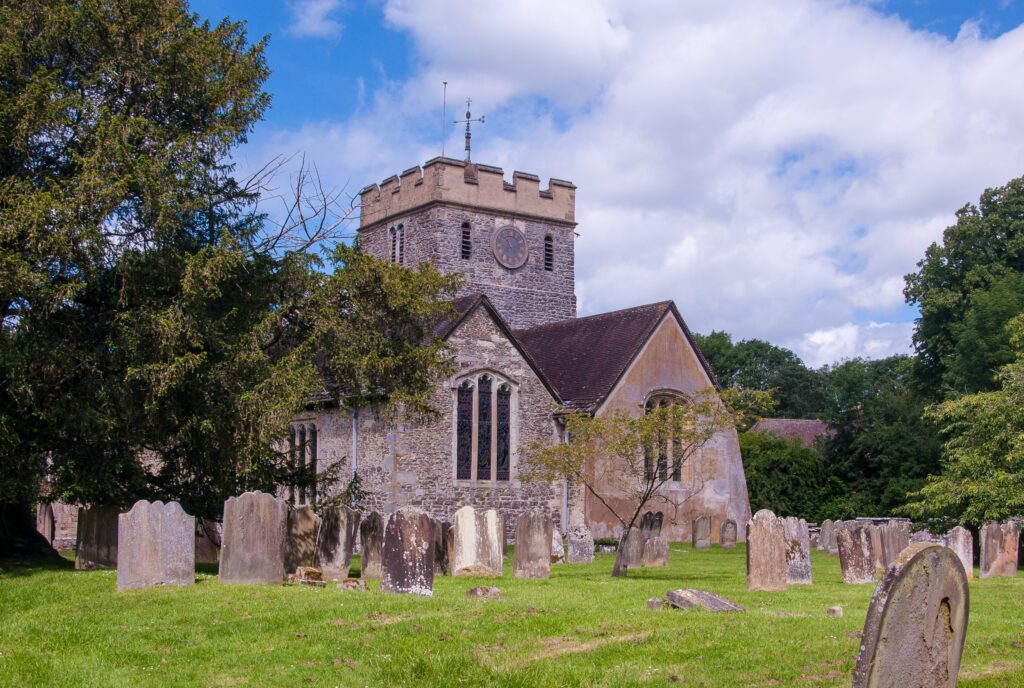
St Nicholas’ Church, Charlwood
Constructed around the year 1080, the Norman St Nicholas’ Church in Charlwood holds some of the country’s most admired treasures. The south wall features some of the finest wall paintings in Britain, created around 1300, the colourful paintings unusually don’t show Biblical scenes but instead depict short stories. Older than the earliest English painting in the National Gallery and with much historical significance, one of the scenes even features the earliest picture of a greyhound in England! Visitors to the church can enjoy the scenes as they would have appeared in the 14th-century via a painting by art historian Ann Worrall that also hangs in the church before retiring to The Half Moon opposite for a classic British pub food menu and drinks.