Rich in history, Mole Valley boasts endless ancient sites, historic homes and grand country estates that allow visitors to step back in time and walk in the past. Now, with a distinct chill in the air, it is the perfect time to also uncover the region’s hidden histories and ghoulish ghost stories.
If you like discovering curious castle ruins, visiting haunted houses, exploring mysterious hillsides, unearthing ancient churchyards to learn their spooky stories and tortuous tales, read on for haunted places to visit that are guaranteed to give you goosebumps…
Betchworth Castle:
Betchworth
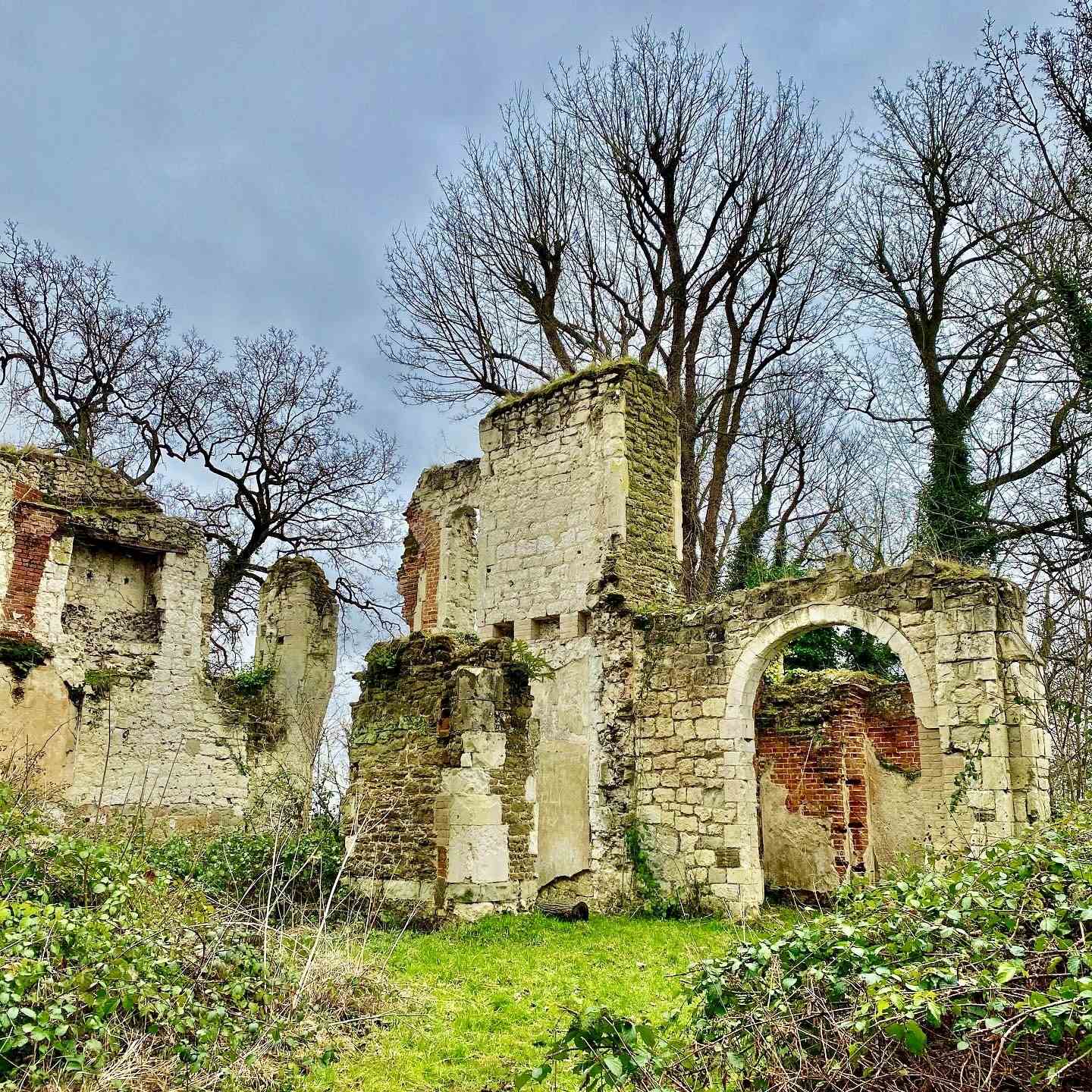
Located between Dorking and Brockham and dating back to the Elizabethan period, Betchworth Castle was originally built as a fortress, becoming a family home as the centuries passed. Purchased by Thomas Hope in 1834 as part of the Deepdene Estate, who made of the castle into a romantic ruin, the crumbling castle is said to be haunted by the man’s ghost. Legend tells the story of a prisoner who escaped from the manor house, after whom Lord Hope chased in the dark, tragically killing his own son instead, mistakenly thinking he was the escaped man. Lord Hope’s anguished ghost is not the only spectre said to haunt Betchworth Castle, with the ruins also said to be haunted by the ghost of a black dog that prowls at night.
Church of St John the Baptist:
Capel
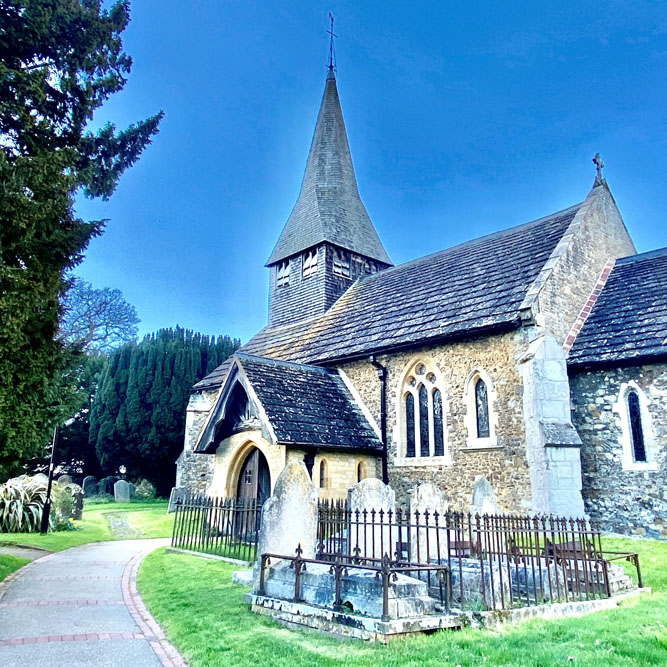
The Church of St John the Baptist in the delightful village of Capel may be a handsome example of the hamlet-chapels of the late 12th or early 13th centuries, but it also has a more bone-chilling tale attached. The churchyard of this Grade II listed church is not only home to historic graves, the oldest dating back to 1694, but also to an ancient yew tree thought to be some 1,700 years-old. It is said that if you walk around the tree a hundred times at midnight, a ghostly apparition appears – something we DON’T recommend you try!
Labilliere’s Grave:
Box Hill
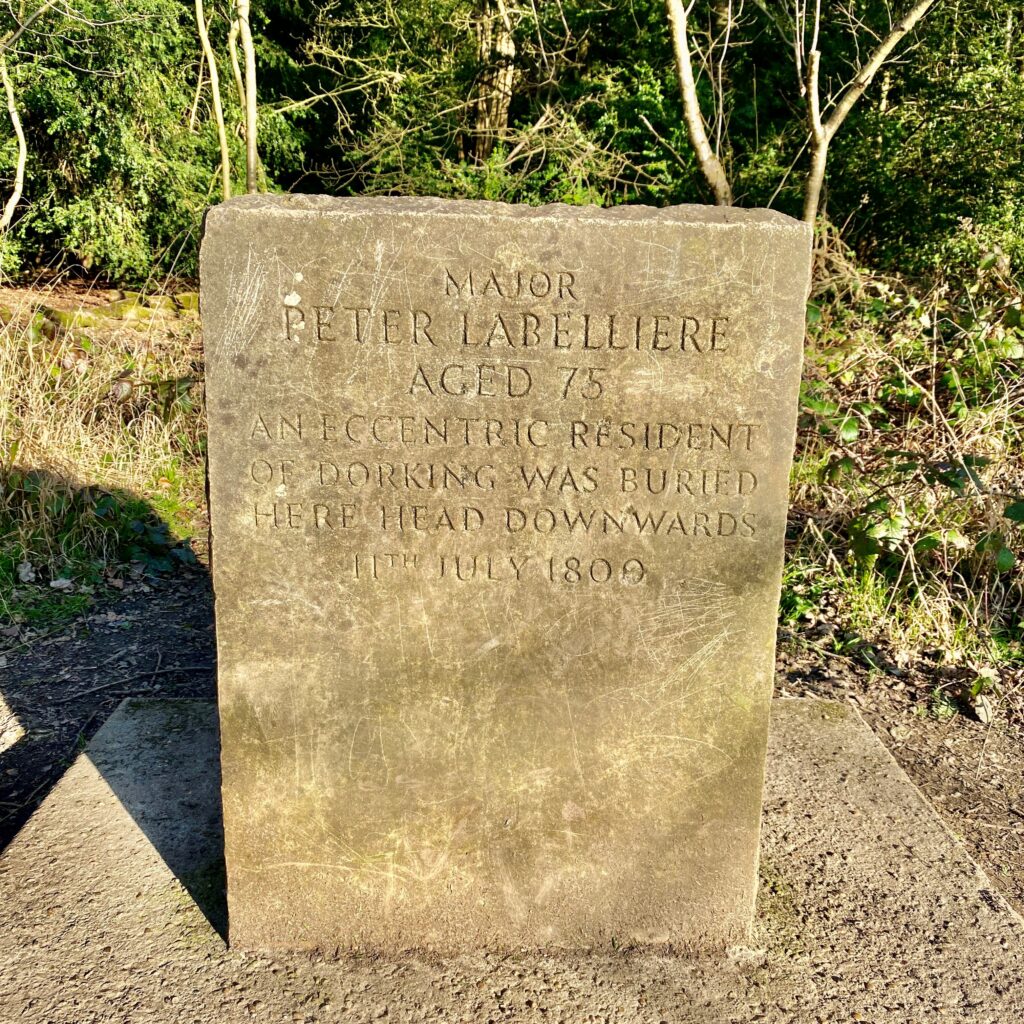
Not far from Box Hill Fort is the mysterious gravesite of one of Dorking’s most curious characters. Major Peter Labilliere (spelt Labelliere on the tombstone) was a resident of the town and one-time major in the British Army, before leaving to become a political agitator. As the years went by, Labilliere became increasingly eccentric, often referred to as ‘the walking dung hill’ due to his stench. In modern times known locally as the man that was buried upside down, Labilliere left instructions that on his death he should be buried head-down, thinking the world was topsy-turvy and he would be the right way up. Today, some say that his sword-wielding ghost still roams the hilltop at Box Hill.
Wotton House:
Wotton
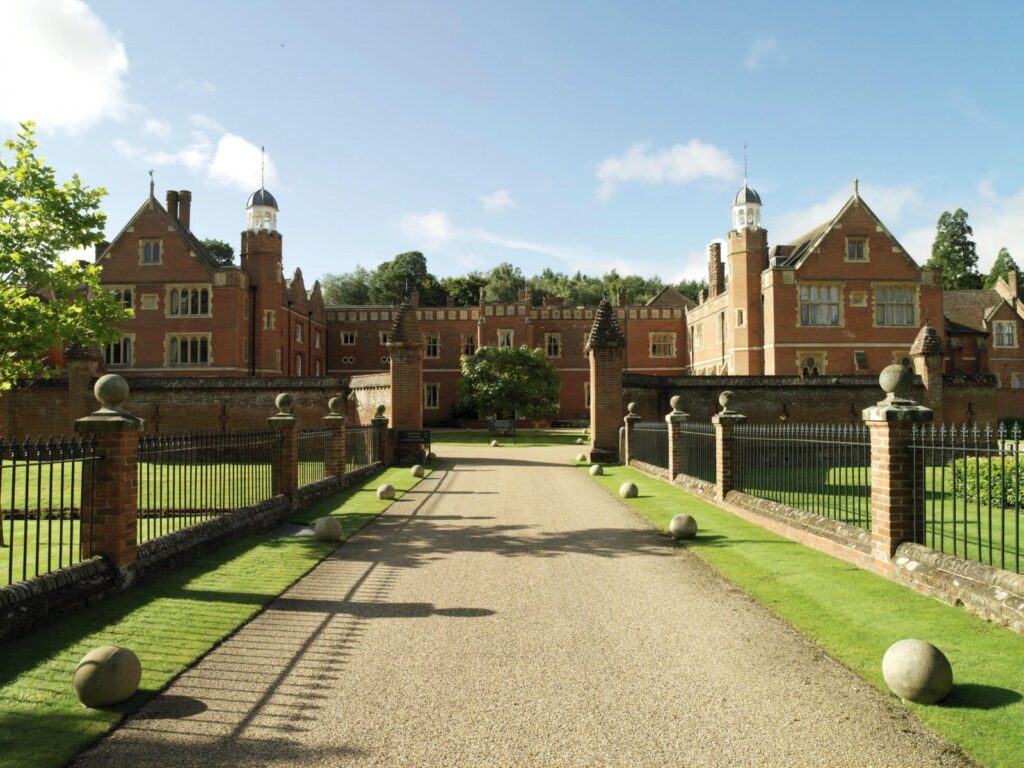
Once the home of renowned botanist, John Evelyn, and boasting some of the finest Italian gardens in England, Wotton House is today a stylish 125 bedroom country house hotel that provides the perfect base for a countryside escape in the Surrey Hills. With a long and illustrious history stretching more than 400 years, it is not surprising that Wotton House is said to have its very own ghost – or two! Firefighters sent to put out a blaze at the property in the 1960s claimed to see a ghostly figure carrying fishing gear roaming the night-time grounds and it is said that the ghost of Samuel Wilberforce (whose Wilberforce Memorial marking his tragic death can be visited in nearby Abinger Roughs) can also be spotted staring from the house’s front windows on the anniversary of his untimely passing.
The Witches’ Broom Tree:
Abinger Roughs
Gnarled and latticed, the spooky-looking Witches’ Broom Tree is a magnificent large beech whose trunk measures some nine metres around, situated in the woodlands of Abinger Roughs near Abinger Hammer. Thought to be 200-300 years-old, the ancient tree’s mysterious shape is said to resemble a witch’s broom, possibly created by the bundle-planting of saplings. Not the only spine-tingling reason the tree achieved its name, The Witches’ Broom is so gnarled that there is even a part that resembles a human skull if you look closely. Spooky indeed!

Pippbrook House:
Dorking
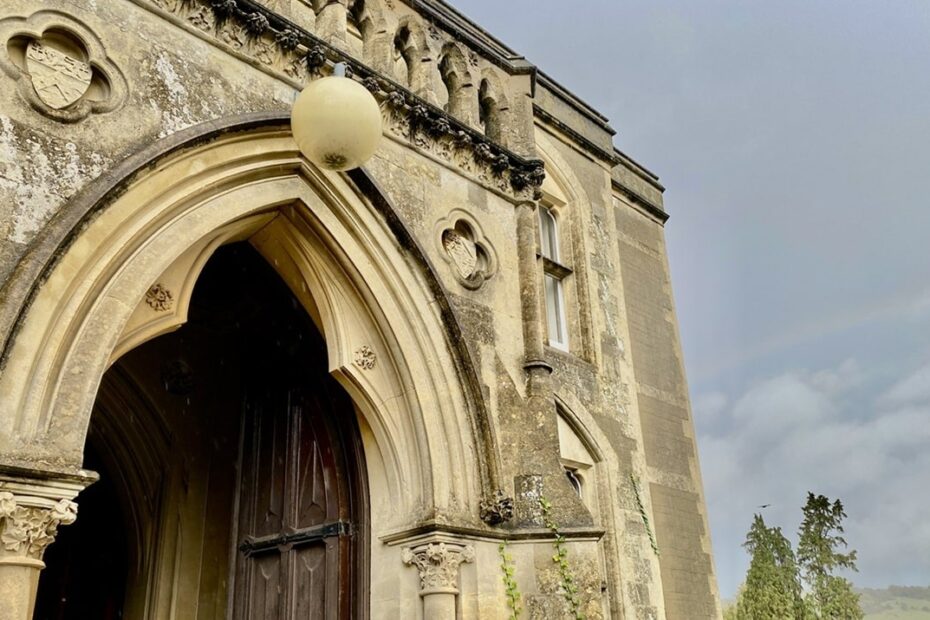
Designed by the renowned architect, George Gilbert Scott, and built between 1856 and 1858, Pippbrook House features ornate arched windows, lavishly painted ceilings, marble fireplaces and elaborately carved woodwork in-keeping with its Grade II* listing. Today managed as an event space and creative hub by the team at Dorking Halls, perhaps not surprisingly, this Victorian gothic mansion is also said to be one of Surrey’s most haunted spots. Tales tell of a ghostly butler that has been spotted staring out of the upstairs windows, silently watching passers by, as well as of a grey lady that haunts the staircase. Perhaps most chilling however are the stories of knives thrown down the stairs by an angry poltergeist…

Shag Brook:
Buckland
Known for its peaceful pond, characteristic cottages, friendly local businesses and excellent pubs, the picturesque village of Buckland sits at the foot of the North Downs between Dorking and Reigate, welcoming visitors looking for a slice of rural charm. Yet the village also has a mystical legend associated with it, one that is not as well-known outside of the village. The ‘Buckland Shag’ – a monstrous horse-like creature – was once said to drag travellers from the coach road to devour them in the Shag Brook, the source of which can be found in the village.

Polesden Lacey:
Bookham
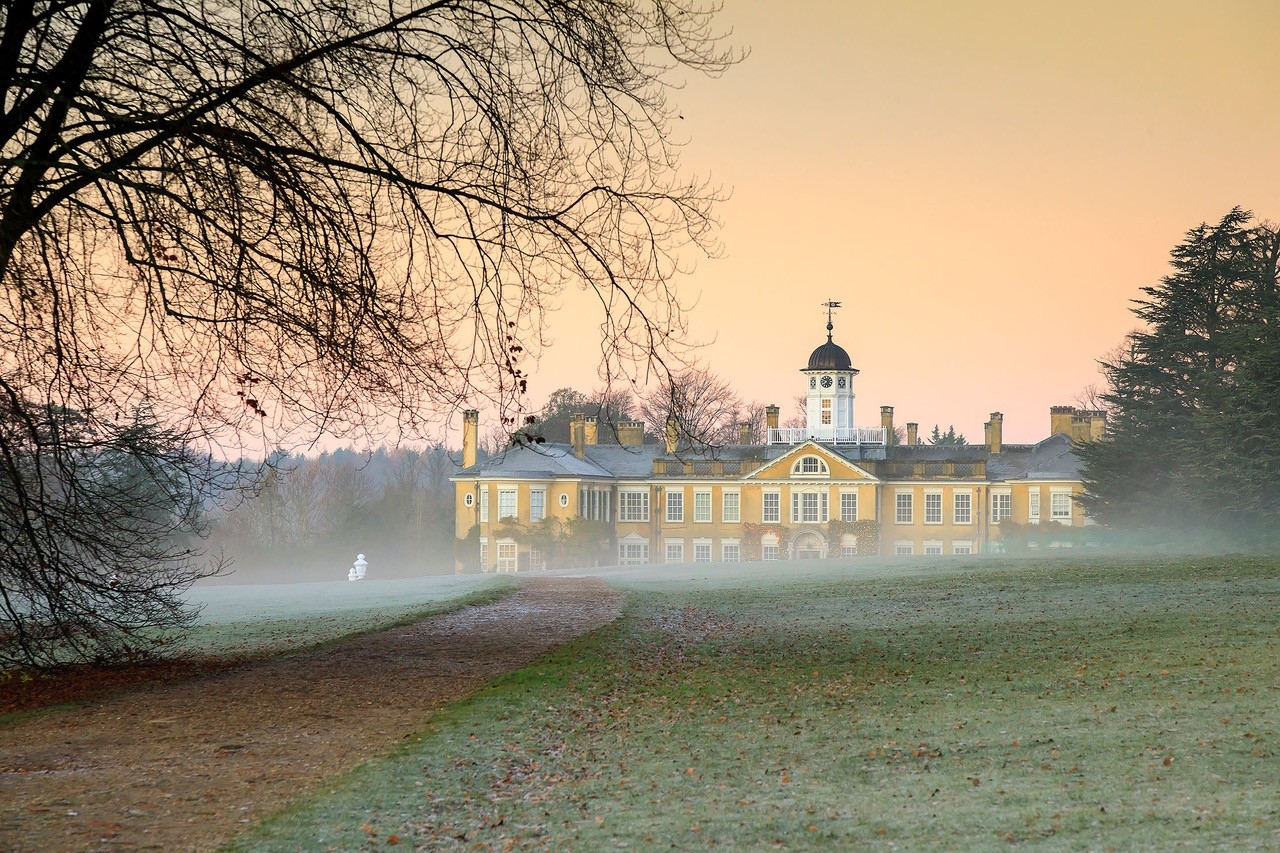
The former weekend retreat of socialite Margaret Greville, who hosted and entertained high society at long weekends and lavish parties on the estate, Polesden Lacey is a beautiful Edwardian mansion and 1,600 acre estate known for its springtime rose gardens, exquisite collections and Surrey Hills views. Today managed by the National Trust, Polesden Lacey is said by some to have a darker side. For many years, rumours have told of a spectral figure that walks the estate on foggy nights, with some saying that this figure is a hooded monk, identifiable by his long brown cloak.